
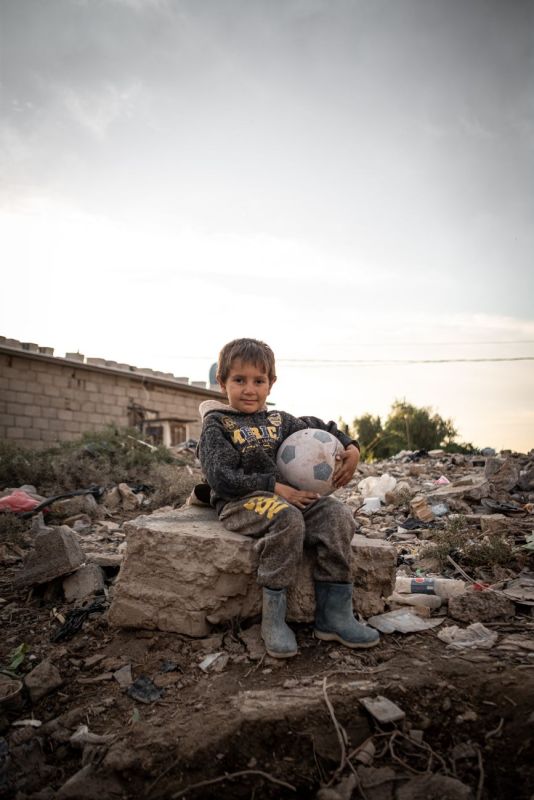
By Ben Munyao
Edited by Catherin J Pascal Dunk
Before the bombs, there were birthdays
Before the bullets, there were lullabies
Before the borders bled, there were brothers
sharing bread beneath untroubled skies.
Then came the thunder, the hunger, the flame,
and nothing was ever quite the same.
The mothers mourned, the children cried;
fathers just names on the list of who died.
A nation once dressed in the colours of morning
now wears the grey of a thousand warnings.
Its rivers remember the blood they carried,
its fields forget the seeds they buried.
The schools stand still, their windows weeping,
the lithe little feet no longer come leaping.
What is victory when villages vanish?
What is glory when parents perish?
What is a flag when its people flee
and freedom is buried beneath a tree?
War does not end when the fighters depart;
it settles in silence—occupies the heart.
It lives in the child who wakes in fright,
in the widow who waits for a knock in the night.
It breathes in the soldiers, returned, who can’t sleep,
in promises nations make but don’t keep.
Yet somewhere in the ruins, a rose takes root;
a hungry child dreams, a hand plants fruit.
Even where hatred has harvested pain,
the human heart dares to believe again.
Let the drums fall quiet, the cannons cease,
let nations discover the courage of peace.
No crown is worth a thousand graves
No land is great when it enslaves.
And when history asks what war has won,
let every grave answer, one by one:
A nation may rebuild its walls and towers,
but it cannot return the stolen hours.
The guns may fall silent, the battlefields green—
the dead remain loud; the mourners still keen.
Note: Keening is an Irish practice of loudly crying and wailing over the dead, which is also practiced in other cultures under different names.
Discover more from Wordflower poetry & fiction
Subscribe to get the latest posts sent to your email.


That’s a poignantly written poem 👍
LikeLiked by 1 person
Thank you Y! It was a bit of a collaboration this time, though the basis was Ben’s
LikeLike