
By Benjamin Munyao
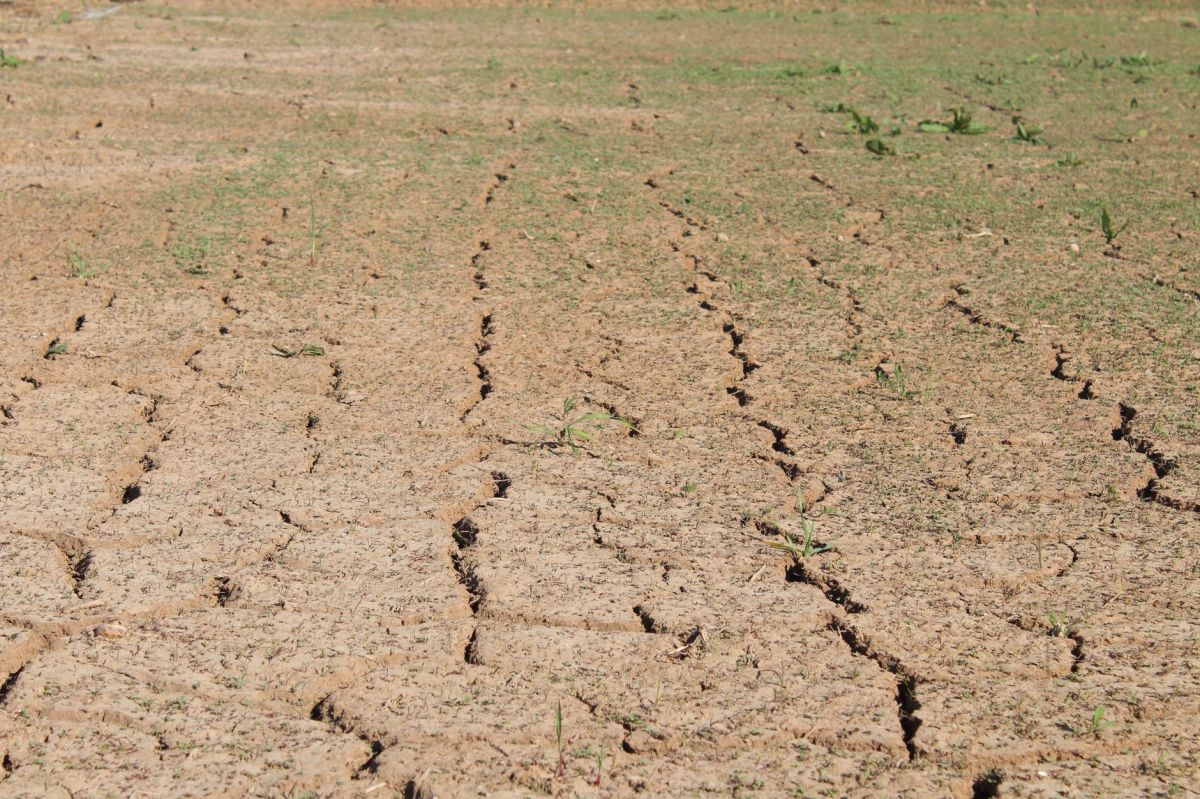
When the drought came, it did not arrive like a thief. It arrived like a patient executioner, taking the river first, then the green from the maize, then the songs from the women who once gathered beneath the acacia trees to celebrate the rain. My father remained in the field long after everyone had gone home, his hands buried in the cracked earth as though he could persuade the soil to remember what it had forgotten. One evening, he called me to him and placed a single seed in my palm. “Keep it,” he said. “This one remembers rain.” I laughed, because I was young enough to believe that leaving the village meant escaping everything that had made me poor.
I left for the city with one suitcase, two shirts, and my father’s seed hidden in my pocket. The city taught me different kinds of hunger. I learned to measure time by traffic lights instead of sunsets, to recognize strangers by their shoes, and to answer, “I am fine,” even when something inside me was quietly dying. Years became decades. My father’s letters stopped coming. Then, one rainy night, a stranger called to tell me he was gone.
I returned home carrying a guilt heavier than my suitcase. The village looked smaller, older, almost erased. Beneath the acacia tree, I found my father’s old hoe, rusted by seasons that had refused to forgive us. I reached into my pocket and discovered the seed was still there.
I planted it beside his grave.
Nothing happened.
I waited.
The wind moved through the dry grass like a voice searching for its owner. Then, before dawn, rain began to fall. It touched the roof, the trees, the grave, and finally my face. By sunrise, a tiny green shoot had broken through the earth.
I bent toward it, crying.
And somewhere inside the rain, I heard my father’s voice:
“My son, I never gave you a seed.
I gave you a reason to return.”
Discover more from Wordflower poetry & fiction
Subscribe to get the latest posts sent to your email.

